If you or someone you know is in immediate danger, call 911 right away.
For confidential support in the United States, dial or text 988 to connect with the Suicide & Crisis Lifeline. Trained counselors are available 24/7.
Introduction
Suicide prevention is not only the work of professionals or large organizations—it is something each of us can contribute to in our daily lives. Small actions, carried out with care and intention, can create safe spaces where people feel seen, supported, and valued. While we cannot take away someone’s pain entirely, we can be part of a network of compassion that makes life feel worth holding onto.
This article explores five meaningful ways you can show support for suicide prevention in everyday life. These practices don’t require special training—just empathy, awareness, and the willingness to be present.
1. Starting Conversations That Break the Silence
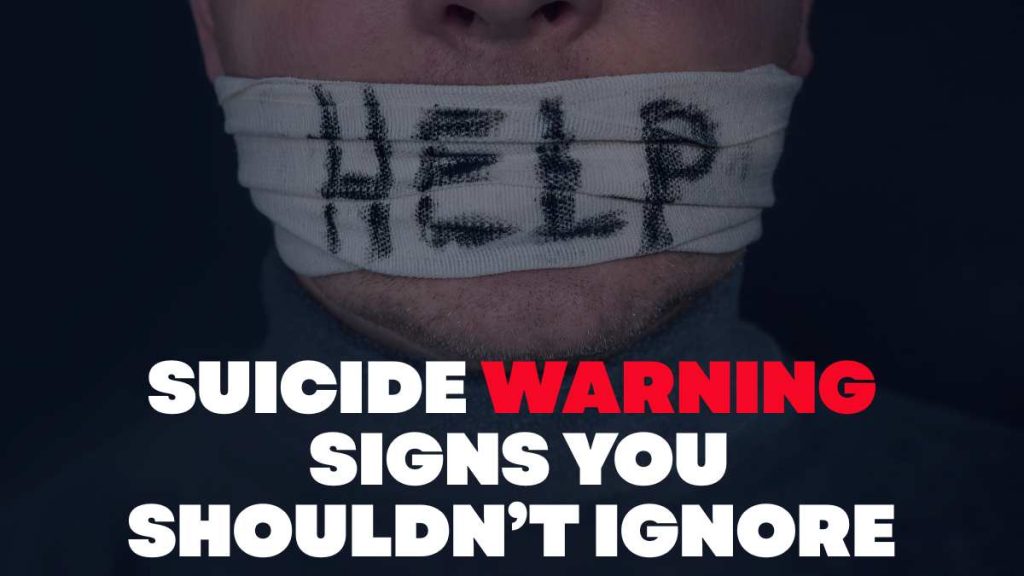
One of the most powerful ways to support suicide prevention is to talk openly about mental health. Many people remain silent because they fear being judged, misunderstood, or dismissed. By creating conversations where feelings are welcomed rather than avoided, you help break the stigma that keeps so many isolated.
You don’t need the perfect words. Simple phrases like “I’m here for you” or “You don’t have to go through this alone” can open doors. What matters most is a willingness to listen without rushing to fix everything. Silence can be heavy, but compassionate dialogue lightens the burden.
2. Being Present and Available
Support is often less about grand gestures and more about consistent presence. Checking in with a friend, inviting them for coffee, or simply sending a text message can make a world of difference. These small reminders signal that someone cares and that they are not invisible.
Sometimes, being present means sitting quietly with someone who is struggling, offering company without pressure. The reassurance of not being alone can be a powerful lifeline, especially during moments when dark thoughts feel overwhelming.
3. Encouraging Healthy Outlets
Another everyday way to show support is by encouraging healthy activities that ease stress and promote resilience. Suggesting a walk in the park, joining a fitness class together, or exploring a new hobby can help shift focus and provide natural relief from emotional weight.
These activities are not meant to dismiss or distract from pain, but to create opportunities for the mind and body to reset. Encouraging balance—through rest, exercise, or creative expression—can gently remind someone that moments of light still exist, even in difficult times.
4. Sharing Resources Without Pressure
Knowing where to turn in crisis is crucial, but not everyone feels ready to seek help on their own. You can support suicide prevention by sharing resources in a gentle, non-intrusive way. Mentioning the 988 Suicide & Crisis Lifeline, local support groups, or therapy options provides information while respecting someone’s pace.
Instead of insisting or forcing, frame resources as choices: “There’s a number you can text anytime if you need someone to listen.” This approach emphasizes empowerment, allowing the person to decide while still ensuring they know help is available.
5. Leading by Example in Awareness
Wearing suicide prevention apparel, participating in awareness walks, or posting supportive messages online may seem simple, but these actions ripple outward. They create visibility, reduce stigma, and remind others that they are not alone in their struggles.
By leading with openness and compassion in your own life, you encourage others to do the same. Whether through clothing that sparks conversation, or a small gesture of kindness, you contribute to a culture where mental health is valued and support is always within reach.
Conclusion
Supporting suicide prevention in everyday life is about showing up in small but meaningful ways. Conversations that break stigma, consistent presence, healthy outlets, gentle sharing of resources, and visible acts of awareness all add up to a powerful message: you are not alone, and hope is possible.
If you or someone close to you is struggling, remember that help is available. Call or text 988 to connect with the Suicide & Crisis Lifeline, or dial 911 in an emergency. Your willingness to notice, to listen, and to act may be the step that saves a life.