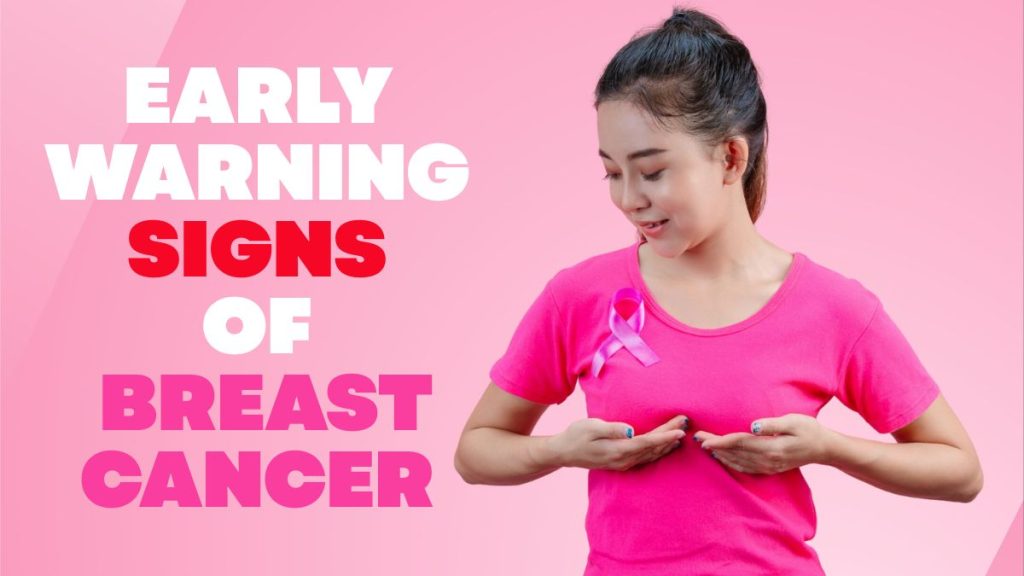
Breast cancer awareness has become a powerful global movement, and in the United States, the color pink stands as its most recognized symbol. From October’s Breast Cancer Awareness Month to year-round community efforts, wearing pink connects people, sparks conversations, and shows support. But awareness goes beyond a simple color — it’s also about how we support loved ones facing breast cancer. Here’s how pink makes a difference and how you can offer meaningful support.
How Wearing Pink Creates Awareness
Pink ribbons, clothing, and accessories have become more than just fashion statements. They are a visual reminder of solidarity. When people wear pink, they invite conversations about early detection, screenings, and prevention. It creates visibility and keeps breast health in the public eye.
Beyond symbolism, wearing pink is also tied to fundraising initiatives. Many nonprofits and local events use pink merchandise sales, walks, and campaigns to fund research and patient services. When someone chooses pink apparel, they are contributing to a collective effort that saves lives and spreads hope.
Emotional Impact of Pink
For survivors and patients, seeing pink in their communities is a reminder that they are not fighting alone. The presence of pink in schools, offices, and sports events builds a sense of community and reduces the stigma around talking about breast cancer. Something as simple as a T-shirt or ribbon can carry enormous emotional weight for those in treatment or recovery.
Supporting a Loved One Battling Breast Cancer
Awareness is only one side of the fight — the other is personal support. When a loved one is diagnosed, family and friends often wonder what to say or do. The truth is, small acts of compassion matter most.
Being present at appointments, cooking meals, or helping with daily chores can reduce stress. Listening without judgment allows patients to express fears or frustrations without feeling like a burden. Offering encouragement without toxic positivity — acknowledging their struggle while reminding them of their strength — makes your support authentic and comforting.
Building a Support Network
Support also means encouraging your loved one to seek professional help when needed. Therapy, survivor groups, and community networks can provide an additional layer of strength. As a supporter, don’t forget your own well-being — caregiver burnout is real. Taking care of yourself helps you be more available for your loved one in the long run.
Conclusion
Wearing pink may look simple, but it carries deep meaning — awareness, unity, and hope. Pairing that with strong, empathetic support for loved ones creates a complete circle of action against breast cancer. Together, awareness and compassion can make a real difference in how people experience the fight.